 the menschkins™
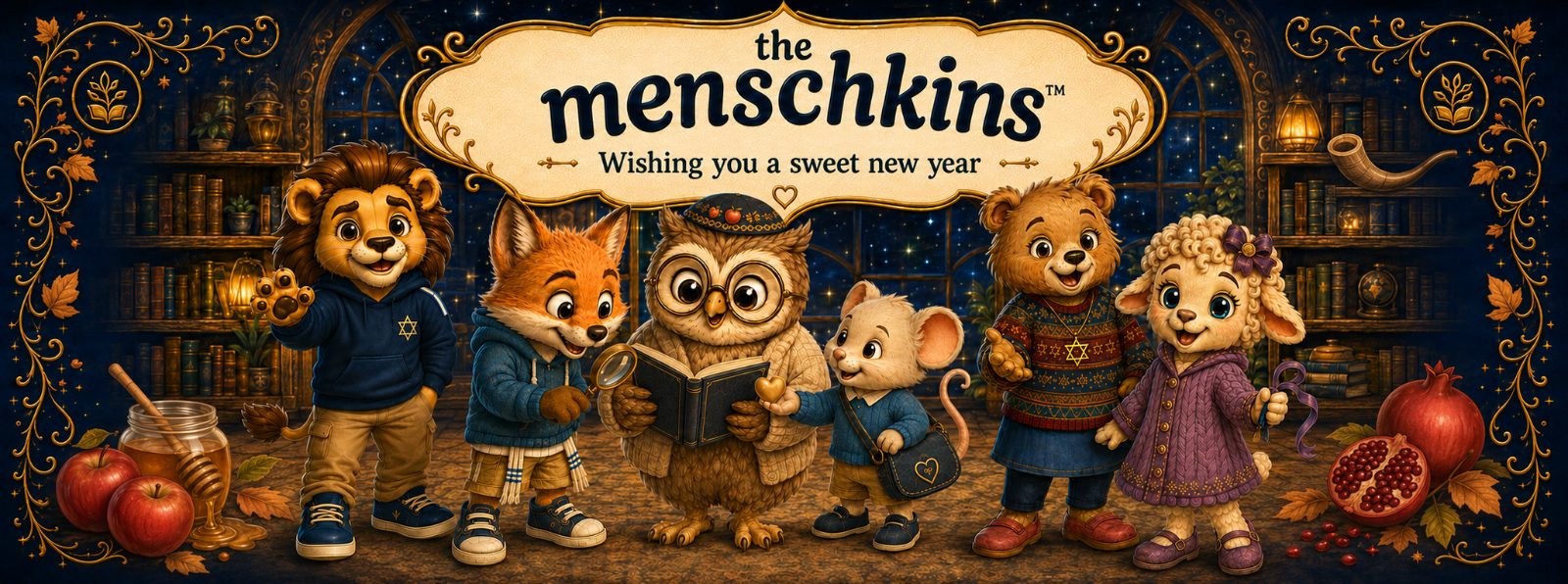
Rosh Hashanah with the Menschkins
A Sweet New Year Starts Together
Simple activities and joyful music to help little ones understand, celebrate, and make meaningful family memories.
Understand it. Celebrate it. Pass it on.
Three Ways to Welcome the New Year
Choose one or enjoy all three with your family.
High Holiday Questions Kids Ask
Simple answers about Rosh Hashanah and Yom Kippur to read aloud together.
Rosh Hashanah
What is Rosh Hashanah?
Rosh Hashanah is the Jewish New Year. It is a time to celebrate the birthday of the world, think about the year that passed, and make sweet wishes for the year ahead. It begins the High Holidays.
When is Rosh Hashanah?
Rosh Hashanah falls on the first and second days of the Hebrew month of Tishrei, usually in September or early October. Like all Jewish holidays, it begins at sundown.
Why do we eat apples and honey?
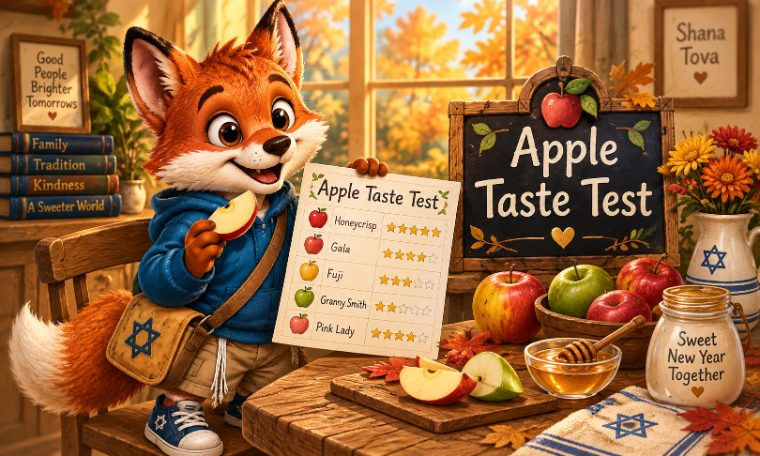
We dip apples in honey to wish each other a sweet new year. Many families also eat round challah, which reminds us that the year goes around in a circle. Make it a game with the Apple Taste Test.
What is the shofar?
The shofar is a ram’s horn that is blown on Rosh Hashanah. Its sound is like a wake-up call, reminding us to think about how we can be kinder and do better in the new year.
What is Tashlich?
Tashlich means “casting off.” Families go to a river, lake, or other flowing water and toss in bits of bread or pebbles as a way of letting go of mistakes from the past year.
What do we say on Rosh Hashanah?
We say “Shanah tovah,” which means “a good year.” Some people say “Shanah tovah u’metukah,” a good and sweet year.
What is Elul?
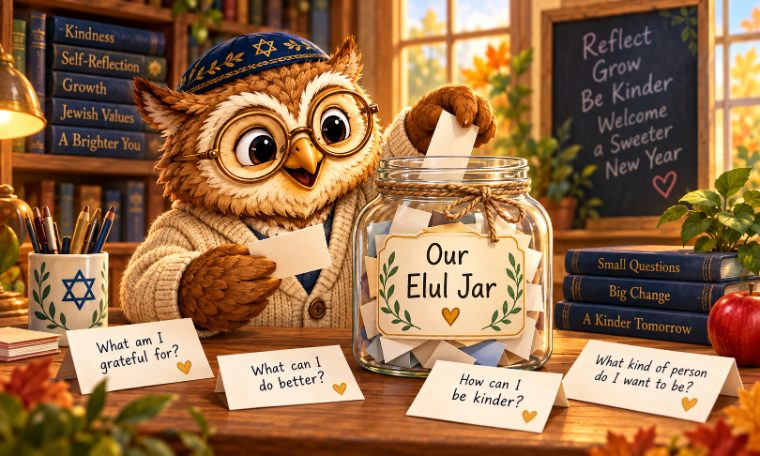
Elul is the Hebrew month before Rosh Hashanah. It is a time to slow down and think about the year. Try the free Elul Jar, a family reflection activity.
What comes after Rosh Hashanah?
Rosh Hashanah begins the Ten Days of Awe, which end with Yom Kippur. Five days after Yom Kippur comes Sukkot, a joyful fall harvest holiday.
Yom Kippur
What is Yom Kippur?
Yom Kippur is the Day of Atonement, the holiest day of the Jewish year. It is a day to say sorry, forgive others, and start fresh with a kind and open heart.
When is Yom Kippur?
Yom Kippur falls on the 10th of Tishrei, ten days after Rosh Hashanah, usually in late September or October. It begins at sundown and lasts until nightfall the next day.
Why do we say sorry?
Before Yom Kippur, we go to the people we may have hurt and say sorry. Making things right with each other is one of the most important parts of the holiday.
Why do grown-ups fast?
Many grown-ups do not eat or drink on Yom Kippur so they can focus on prayer and becoming better people. Children do not fast.
Why do people wear white?
Many people wear white on Yom Kippur as a sign of a fresh, clean start for the new year.
How does Yom Kippur end?
Yom Kippur ends with one long blast of the shofar. Then families break the fast together, often with a happy meal.
What do we say on Yom Kippur?
People often say “G’mar chatimah tovah,” a wish that each person is sealed for a good year.
What comes after Yom Kippur?
Five days later comes Sukkot, a joyful fall harvest holiday when families build and decorate a sukkah.
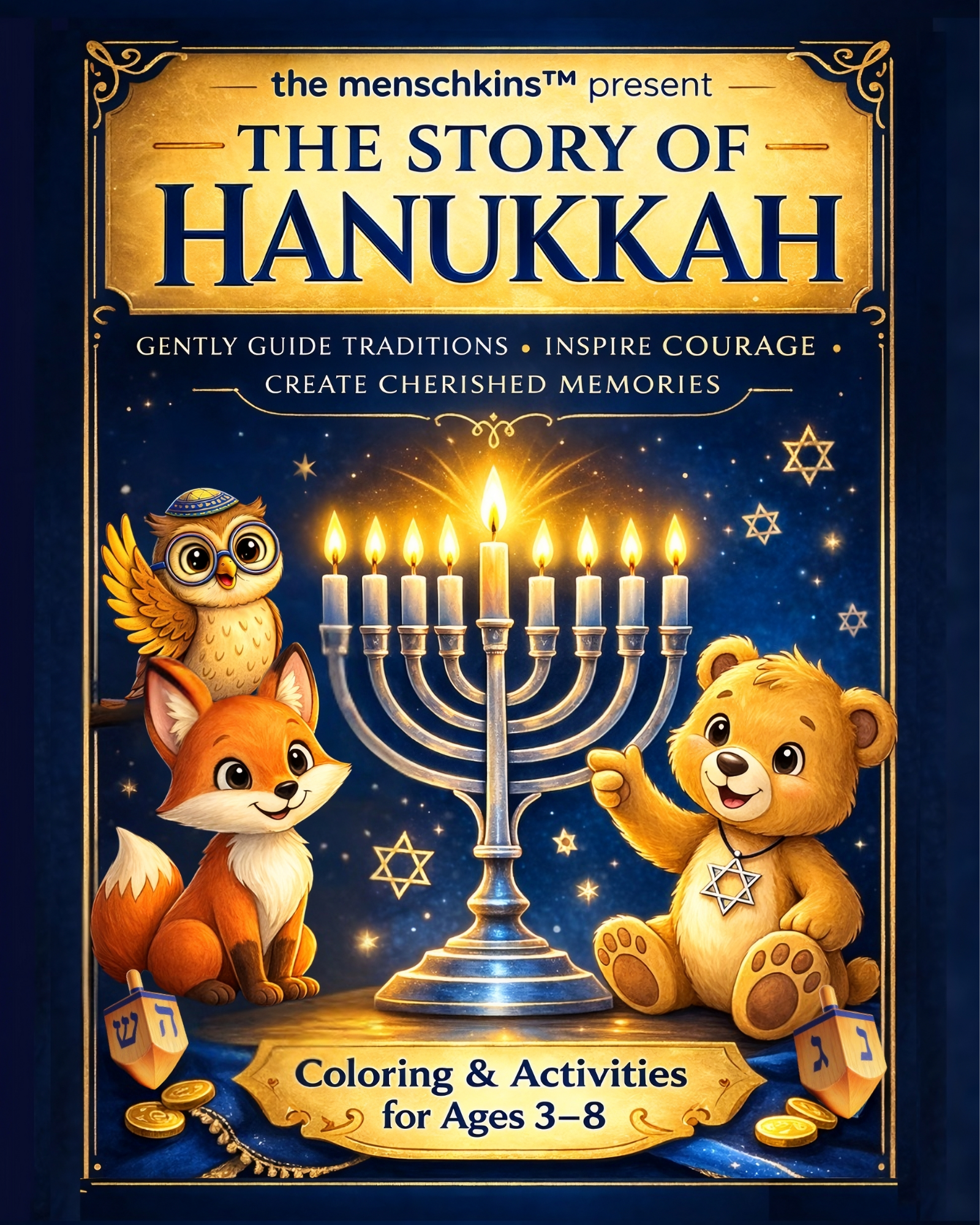
Next stop: Hanukkah
The Menschkins Present: The Story of Hanukkah
A family experience book for children ages 3–8: the Hanukkah story told by the six Menschkins, with blessings, coloring pages, and activities to do together.